
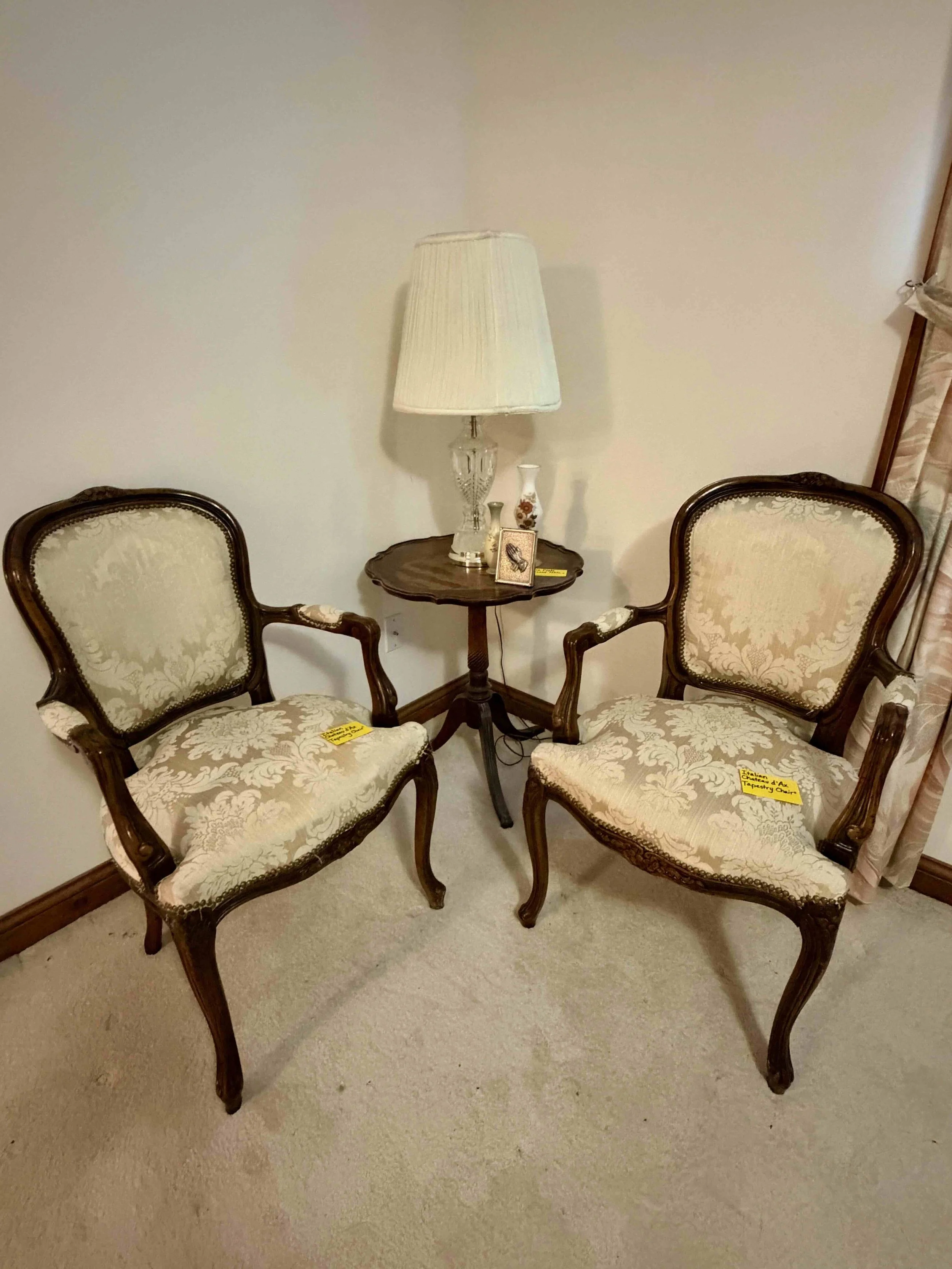
One of the most common questions and feedback we hear from newer estate sale shoppers is, “Where do I find the price?” or “Their items were not priced.”
At a traditional store, every item usually has its own barcode or price tag. At an estate sale, we are pricing the contents of an entire home, which means different types of items are priced in different ways. Some have an individual sticker, some are covered by a sign, and furniture is marked with a larger yellow card.
Once you understand the system, it becomes much easier to shop—and to recognize where some of the best opportunities may be hiding.
Individual Pricing
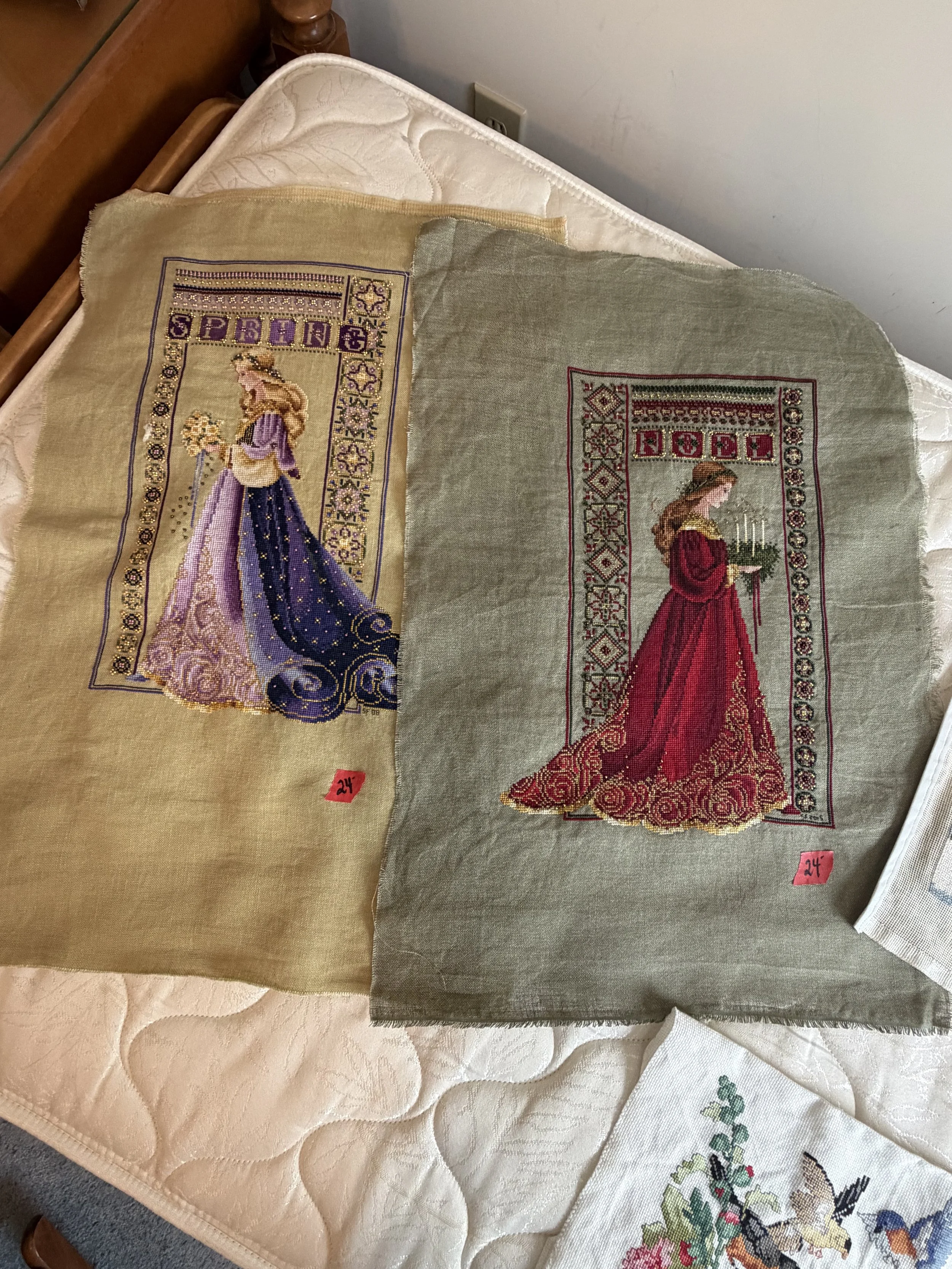
Many items have their own price directly on them. You may find the price on:
A price sticker
A piece of tape
A tag
A furniture card
The bottle or container itself
Furniture, appliances, artwork, tools, collectibles, decor, electronics, and unique or higher-value items are typically priced individually.
When an item has its own sticker or tag, that marked price applies even when it is displayed near a category sign.
Furniture Pricing
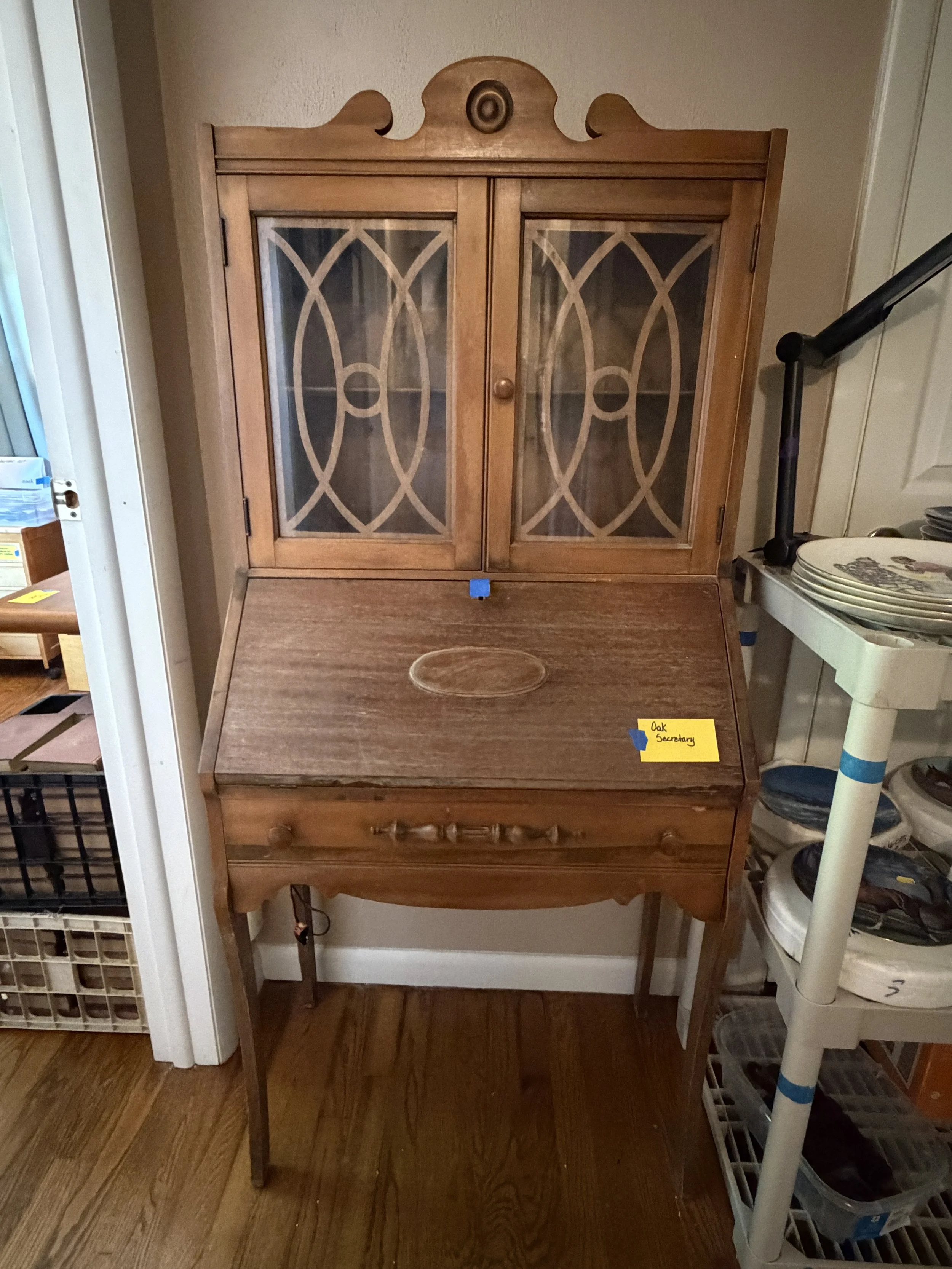
Furniture is individually priced using a yellow card. The card includes the price and may also provide helpful details such as:
The brand or manufacturer
The style or material
The number of pieces included
Whether the price is for one item or a complete set
Read the yellow card carefully when shopping for beds, hutches, dining sets, sectionals, and other pieces that may include multiple parts.
Flat-Rate Pricing
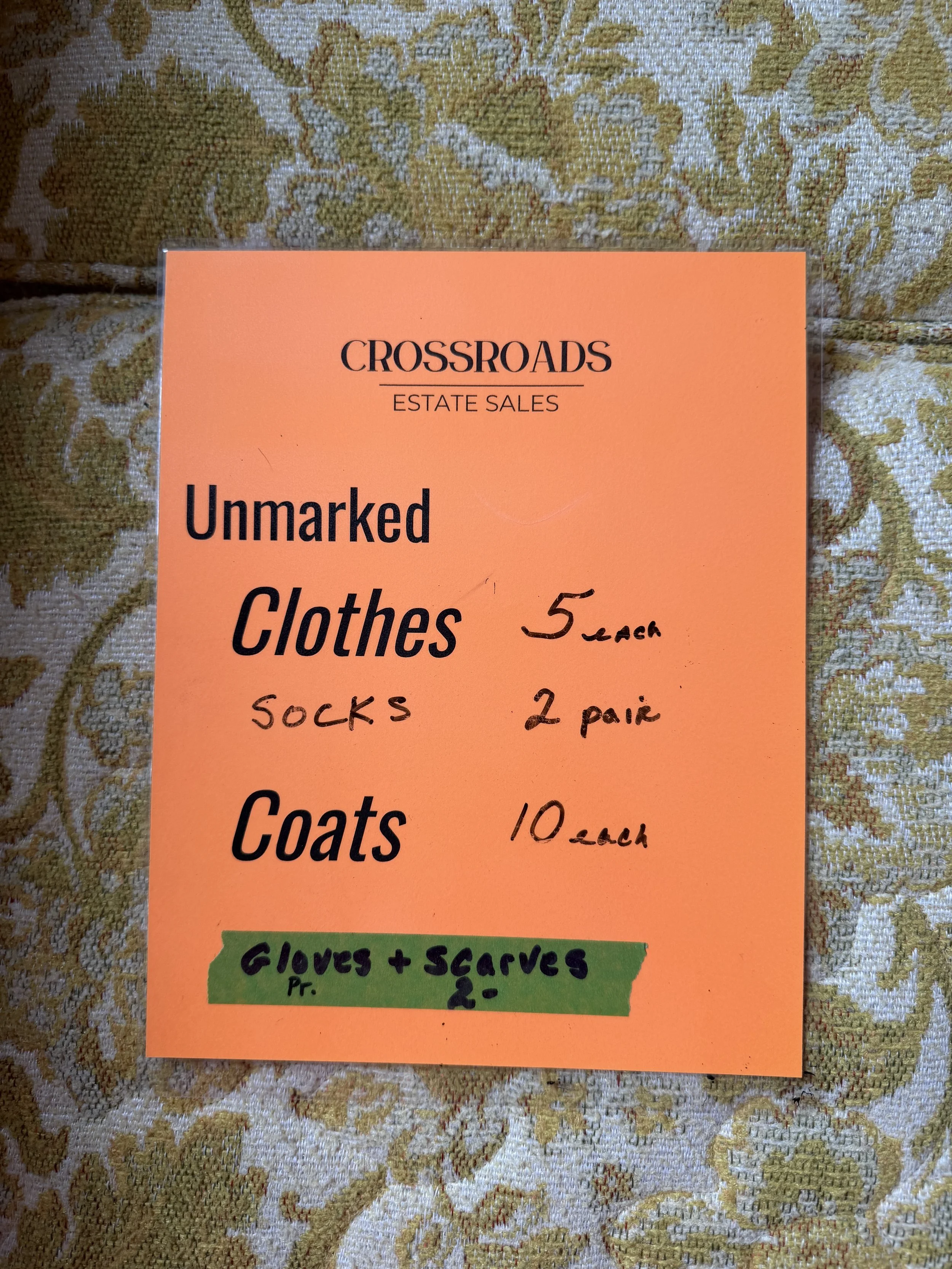
Flat-rate pricing gives one fixed price to a group of similar items. Instead of placing a sticker on every piece, we place a sign near the category.
You may see flat-rate signs for:
Clothing
Books
Towels and linens
Sheets and pillowcases
Food and cleaning products
Other groups of similar household items
For example:
Unmarked clothing: $5 each
The word unmarked means the sign applies only to items that do not have their own individual price. An item with a separate sticker or tag is sold at its marked price.
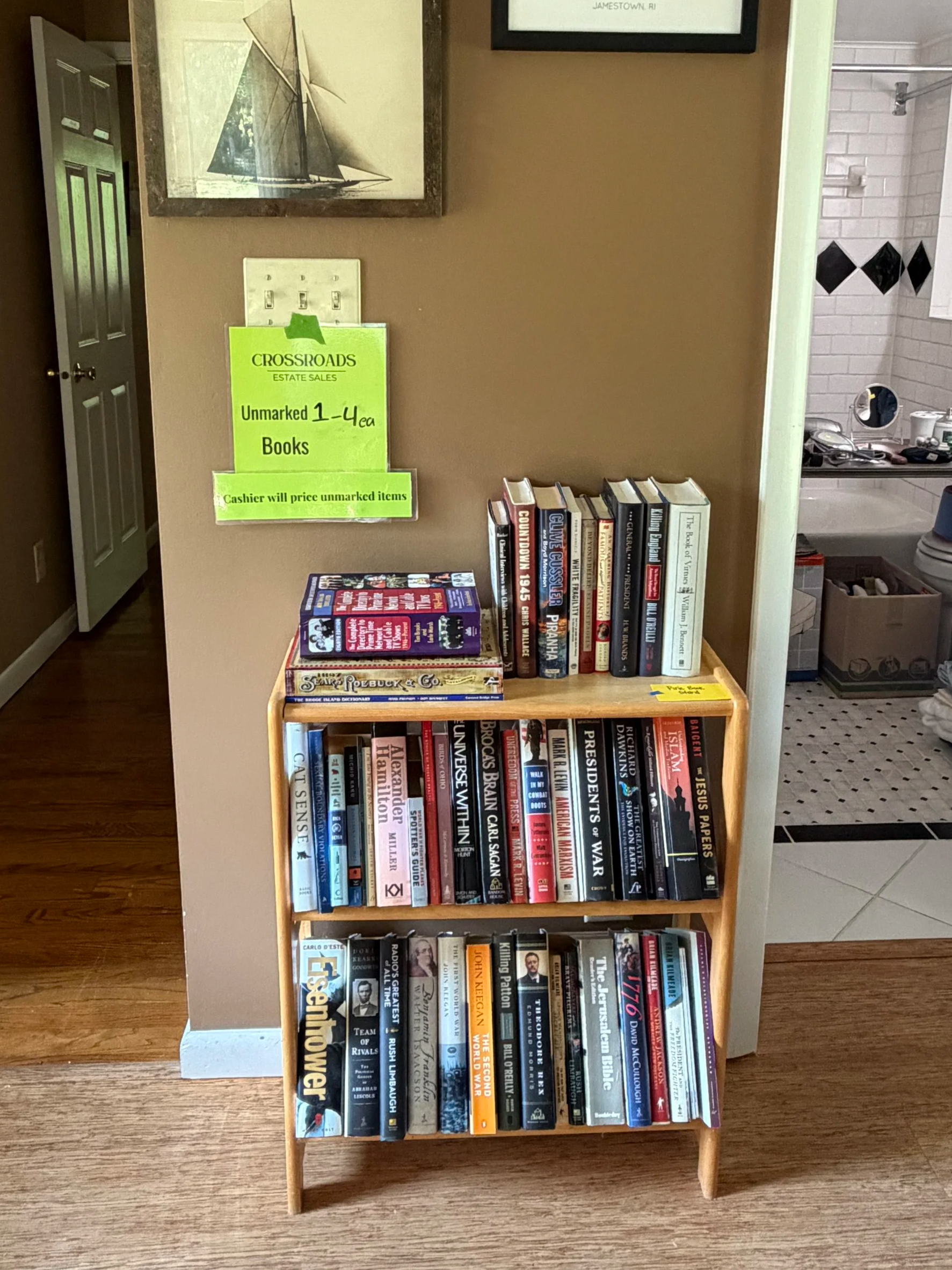
Range Pricing Signs
A range sign is used when a group contains similar items that vary in size, quality, brand, or condition.
For example:
Unmarked kitchen items: $2–$5 each
The final price within the posted range is determined at checkout. A smaller or more basic item may fall near the lower end, while a larger or higher-quality item may fall near the upper end.
Range pricing may be used for:
Kitchen utensils and gadgets
Baking supplies
Office supplies
Personal-care products
Small household items
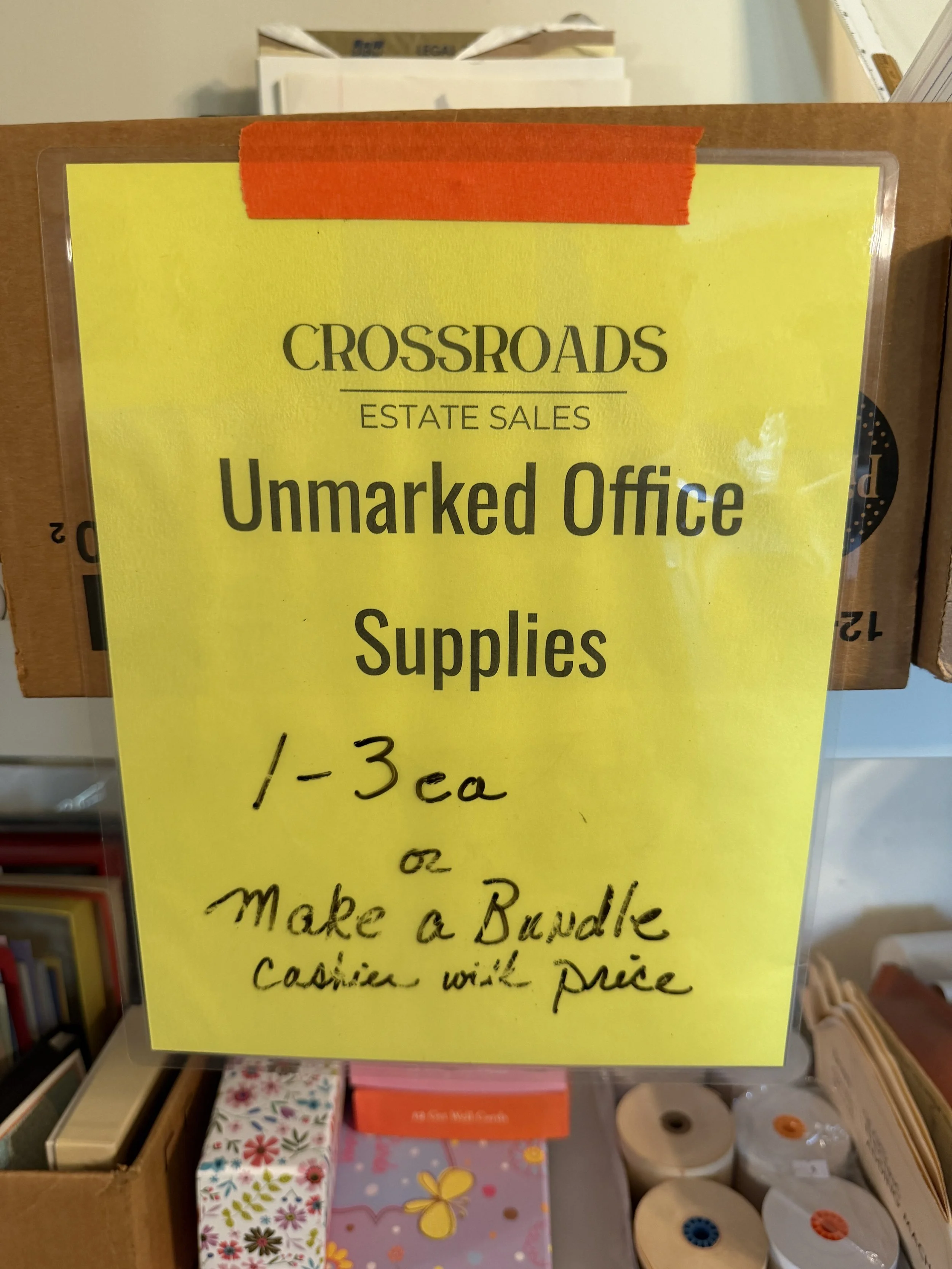
Make a Bundle
In some sections, you may see a Make a Bundle sign.
This is another way we handle groups of smaller items that do not necessarily need to be priced one at a time. When you see this sign, gather the items you are interested in and check with the cashier or a team member about how that section is being priced.
For shoppers, this is a good reminder not to overlook tables, boxes, or grouped areas simply because every piece does not have its own sticker.
You may see this option with items such as:
Office supplies
Small kitchen utensils
Personal-care products
Craft supplies
Miscellaneous household items
How to Use the System to Your Advantage
Understanding the pricing system helps you shop more efficiently.
Flat-rate signs make it easy to calculate the cost of several items before reaching checkout. Range signs help you understand the highest and lowest possible price. Make-a-bundle areas may be especially useful when you are interested in several smaller items from the same section.
It is also important to pay attention to the sale schedule.
For many of our two-day estate sales, prices are firm on the first day and most remaining items are 50% off on the second day. That is not the format for every sale, so always check the individual sale details before attending.
This gives shoppers two different ways to approach the sale:
Shop early for the best selection.
Return on the discount day for lower prices on what remains.
There is always a tradeoff. Waiting may save you money, but the item you want may be gone by then.
A Simpler Way to Shop the Sale
Estate sale pricing may look different from traditional retail, but the system is designed to handle everything from furniture and collectibles to clothing, books, linens, and everyday household goods.
Before assuming an item is unpriced, check it closely and look for nearby signage. Understanding the difference between individual, flat-rate, range, furniture, and make-a-bundle pricing can help you move through the sale with more confidence.
And before every sale, review the posted dates, hours, and discount information so you know exactly what to expect.